JerseyTome Research Team
May 10, 2026 · 24 min read· Verified collectors & authenticators
トロントを選んだオーバンデールの少年
1997年6月25日、トロント・ラプターズはNBAドラフト全体9位でトレイシー・ラマー・マグレディ・ジュニアを指名した。18歳だった。大学バスケの試合には一度も出たことがなかった。ノースカロライナ州ダーラムにあるマウント・ザイオン・クリスチャン・アカデミー出身——アスリートの才能をプロへ直接送り込むために存在するようなプレップスクールだ。高校のコーチ、ジョエル・ホプキンスは大学進学は不要だと説得した。NBAもそれに同意した。
マグレディは身長6フィート8インチ、ウイングスパンはまるでプロポーションの確認を忘れたコミックアーティストが描いたかのようだった。ガードのようにボールをハンドリングし、ポイントガードのようにコートを見渡し、彼のジャンパーに競ろうとする愚か者の頭上を軽々と飛び越えた。18歳の彼は粗削りだった。しかしその原石としての才能はあまりにも明白で、ほとんど反則的と言えるほどの天賦の才に溢れていた。9チームが彼をパスした後、トロントがイエスと言った——そしてその9チームは次の10年間、その判断をさまざまな程度で後悔することになる。
ラプターズは彼に恐竜がプリントされた紫のジャージと背番号1を渡した。彼はそれを着て、NBA史上最も静かな修行期間を始めた。
トレイシー・マグレディは、1990年代に高校からNBAへ直接入団したごく少数の選手の一人だった。その短いリスト:ケビン・ガーネット(1995年)、コービー・ブライアント(1996年)、マグレディ(1997年)、そして同年のジャーメイン・オニール。ガーネットやブライアントが強豪校出身だったのに対し、マグレディが通ったマウント・ザイオン・クリスチャン・アカデミーは、彼が入学した時点でまともな体育館すらなかったほど小さな学校だった。
恐竜の影で過ごした3シーズン
マグレディのラプターズ時代は、忍耐とその限界についての物語だ。ルーキーシーズン(1997-98)、64試合に出場し平均7.0得点。今では完全に忘れ去られたベテランたちの控えとしてベンチから出場していた。デイモン・スタウダマイアーがまだフランチャイズの中心だった。チーム成績は16勝66敗。紫の恐竜ジャージは、まだ換金されていない約束手形のようにマグレディの痩せた体に垂れ下がっていた。
そこにヴィンス・カーターが現れた。
1998年NBAドラフトで、トロントはカーターの指名権を獲得した——ドラフト当日のゴールデンステートとのトレードで全体5位指名権だ。カーターはマグレディの又従兄弟だった。子供の頃からお互いを知っており、夏にはフロリダで一緒にトレーニングし、バスケットボールを超えた家族の絆で結ばれていた。今や二人は同じ建物で同じ紫の恐竜ジャージを着て、同じフランチャイズの下で共に成長することになった。
ただし、対等ではなかった。カーターは即座に爆発した。1998-99シーズンの新人王。スポーツセンターが彼専用のプロモーション番組に見えるほどのハイライトリール。ダンクコンテスト。カジュアルファンを一気にトロントに釘付けにした驚愕のアスリート能力。カーターは太陽であり、組織内のすべて——マグレディを含めて——は彼の周りを公転していた。
マグレディは着実に成長した。3年目(1999-2000)には平均15.4得点、6.3リバウンド、3.3アシストを記録。立派な数字だ。しかし「立派」は、自分が地球上で最も才能のある選手の一人だと分かっている20歳の青年が聞きたい言葉ではない。ましてや従兄弟がすべての酸素を吸い尽くしているときには。
“トロントは好きだった。あのジャージも好きだった。でも俺は20歳で、どこかでTHE guyになる必要があったんだ。ヴィンスがやっていることを横で見ながら、THE guyにはなれない。”
— トレイシー・マグレディ、2017年の回顧にて
紫の背番号1:ジャージの解剖学
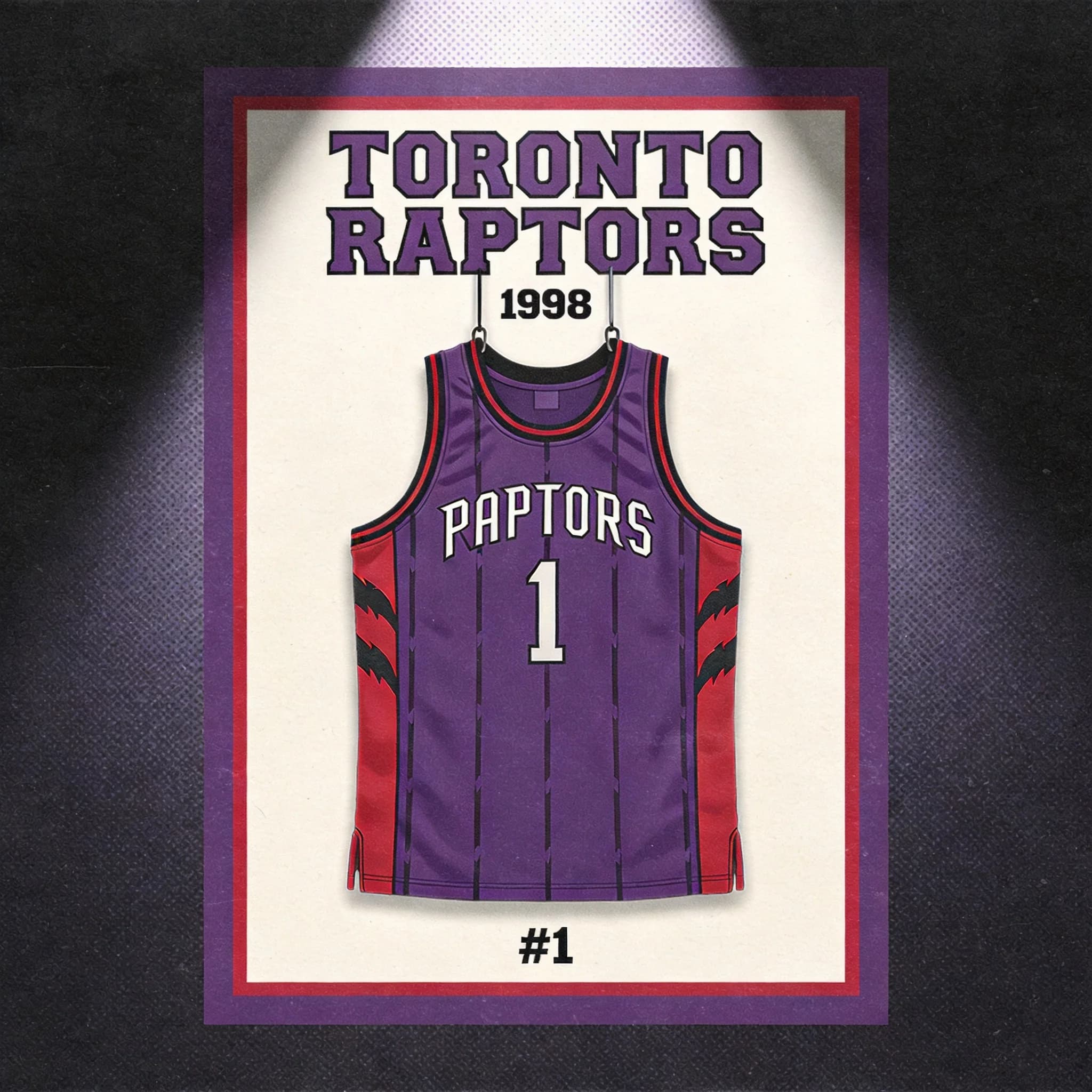
トレイシー・マグレディのラプターズ ジャージは、NBAユニフォーム史上最も視覚的に際立った時代に属している。紫の恐竜デザイン——1995年から1999年までオリジナル形態で使用され、改良版が2000年まで継続——は、リーグが生み出したエクスパンション時代のアイデンティティとして最も認知度の高いものであり続けている。
パープル — トロントのプライマリーアウェイカラーは深いバイオレットパープルで、サクラメントのラベンダーより暗く、フェニックスのパープルアクセントよりも深みがあった。NBAのカラースペクトラムの中で孤高の存在だった。この色合いを持つチームは他になく、テレビや写真で瞬時に識別できた理由の一つがそこにある。
恐竜 — バスケットボールをドリブルするスニーカー姿のヴェロキラプトルのロゴは、ジャージのベルトライン部分に配置されていた。アウェイ用パープルバージョンでは、紫のベースに赤と白でスクリーンプリントされていた。恐竜の尻尾が前面からサイドへ回り込むラップアラウンド効果を生み出しており、当時のNBAジャージで他にこれを試みたものはなかった。
ピンストライプ — 細い白のピンストライプがジャージの前面と背面全体に縦に走っていた。これは野球のエステティクスから意図的に借用されたデザインで、レトロフューチャーな質感を与え、漫画の恐竜をファッショナブルに見せることに成功していた——子供じみてではなく。
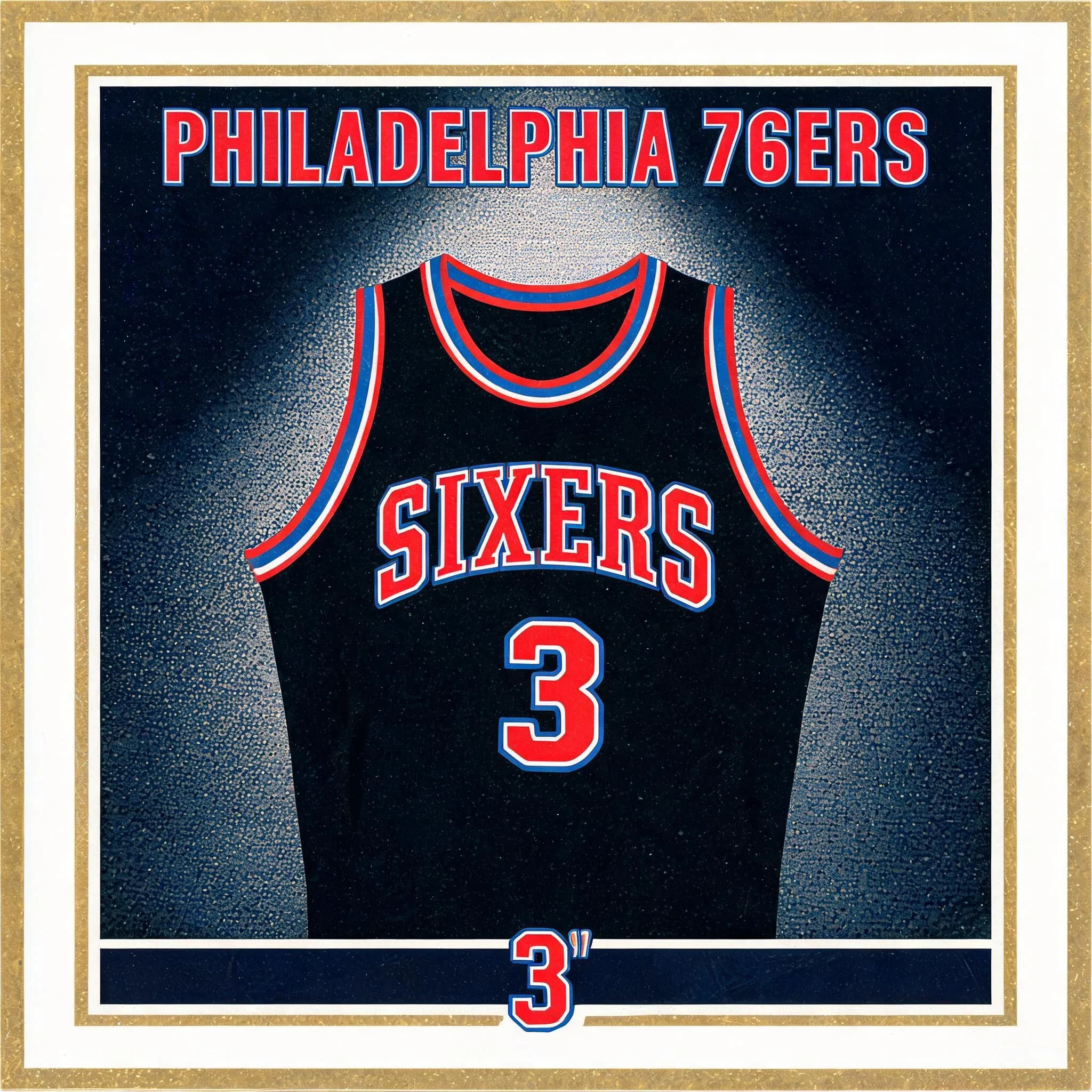
背番号1 — マグレディはトロントでの3シーズンを通じて背番号1を着用した。紫のジャージ上で数字は赤い縁取りの白で描かれ、クラシックな胸中央と背中中央のフォーマットで配置されていた。オーランドへ移籍後、当初は背番号1を使い続けたが、最終的に背番号3に変更した——しかしラプターズの#1がオリジナルだ。
メーカー — この時代のラプターズ ジャージはすべてChampion製だった。レプリカは軽量メッシュにスクリーンプリントのレタリングで、オーセンティック版はステッチされたツイルレター、背面裾のファイトストラップ、そしてより重いメッシュ構造だった。Championのジョックタグ——前面左下の小さなラベル——にはサイズ、製造国(一般的に「Made in USA」または「Made in Korea」)、そして1995-2000年の生産期間に対応するプロダクションコードが記載されていた。
伝説を生んだ移籍
2000年の夏、トレイシー・マグレディは制限付きフリーエージェントとなった。オーランドがマックス契約を提示。トロントにはマッチする権利があった——が、しなかった。その理由は今なお議論されている。カーター一人で十分だとラプターズが判断したという説もある。マックス選手二人分のラグジュアリータックスを避けたかったという説もある。マグレディはすでに決意を固めており、マッチしても避けられない結末を遅らせるだけだったという説もある。
理由が何であれ、T-Macは去った。そして18ヶ月以内に、平均32.1得点を記録し、得点王を獲得し、オールNBAファーストチームに選出され、「ジェネレーショナル」という言葉を皮肉抜きで使わせるプレーをコート上で日常的に披露していた。紫の恐竜#1をベンチウォーマーとして着ていた少年は、リーグ全体で最も天賦のオフェンシブ才能を持つ選手になっていた——議論の余地なく。
一方、トロントは見ているしかなかった。カーターは素晴らしかったが、カーター一人では足りなかった。フランチャイズは2回戦を突破することはなかった。そして10年間にわたりラプターズファンを苦しめた問い——もし二人とも残っていたら?——は、マグレディの紫の恐竜ジャージを単なる衣類以上のものに変えた。それは組織の失敗の象徴であり、選ばれなかった道の象徴であり、トロントが踏み台ではなく王朝となったパラレルワールドの象徴となった。
その物語には値段がつく。かなりの金額だ。
トレイシー・マグレディとヴィンス・カーターは又従兄弟(はとこ)——祖母同士が姉妹だった。子供の頃からお互いの存在を知っていたが、十代の頃にフロリダで夏のトレーニングを共にするようになり親密になった。この家族の繋がりがマグレディのトロント離脱をファンにとってさらに痛いものにした。カーター自身もフロントオフィスにオーランドのオファーにマッチするよう働きかけたと報じられている。
コレクター向け価格ガイド
2025-2026年時点の価格。マグレディ ラプターズ市場は独特の二極化を示している:現代のリプロダクションは手頃だが、1997-2000年のマグレディの名前が入ったオリジナルは、わずか3シーズンの希少性ゆえに高額なプレミアムがつく。
真贋鑑定:偽物のT-Macラプターズ ジャージの見分け方
マグレディのラプターズ ジャージは、カーター版ほど頻繁に偽造されてはいなかった——単純に需要が歴史的にカーターに集中していたからだ。しかしT-Macのコレクター人気が急騰するにつれ、偽物も増加している。以下がチェックリストだ:
1. Championジョックタグ — 1997-2000年のオーセンティックChampionジャージには、前面左下裾に特定のジョックタグがある。タグにはサイズ、「Champion」ブランディング、製造国(「Made in USA」または「Made in Korea」)、そしてプロダクションコードが記載されているはずだ。コードのフォーマットは2文字の接頭辞に続く4桁の数字。偽物は常に誤った年代のタグ——通常はフォントウェイトとスペーシングが異なる2000年以降のChampionタグ——を使用している。
2. パープルの色調 — オリジナルのラプターズパープルは、わずかに赤みがかったミディアムバイオレットだ。ロイヤルブルーパープル(中国製レプリカに多い)でもなく、グレープパープル(低品質のヴィンテージ偽物に多い)でもない。購入候補は認定オークションハウスの写真と比較すること——偽物リスティングで汚染されているGoogle画像検索ではなく。
3. ファイトストラップ — オーセンティック(レプリカではない)Championジャージには、背面裾の内側にファイトストラップがある——選手のショーツに挟み込むための小さな生地のループだ。レプリカにはこれがない。「オーセンティック」と謳いながらファイトストラップがなければ、それはレプリカの虚偽表示であり、この市場で最も一般的な詐欺形態だ。
4. レタリング方法 — オーセンティックChampionジャージでは、「McGRADY」と背番号「1」はステッチツイル——ジャージに縫い付けられた別パーツの生地だ。レプリカではメッシュに直接スクリーンプリントされている。どちらも当時の正規品だが、価格帯は大きく異なる。支払う金額に見合うものを受け取れるか確認すること。
5. 恐竜ロゴのサイズ — アウェイパープルジャージでは、ベルトラインの恐竜ロゴはスクリーンプリントで、高さ約4インチ、尻尾が左サイドシームを超えて延びているはずだ。偽造ジャージはロゴのサイズが不正確なことが多い——大きすぎる(「プレミアム」に見せるため)か、小さすぎる(オリジナルから実測せず写真からスクリーンプリントのテンプレートをコピーしたため)。
6. メッシュの重さ — この時代の本物のChampionジャージを手に取れば、メッシュに特有の密度と手触りがあることに気づくだろう。オーセンティック版はより重く、織りが密だ。レプリカはより軽くソフト。偽物は硬すぎる(ナイロンブレンド)か薄すぎる(安価なポリエステル)ことが多い。検証済みの本物を一度でも手にしたことがあれば、違いは即座に分かる。
“マグレディのラプターズ ジャージは、まだ誰もその人が天才だと知らなかった時代の作家の初版本のようなものだ。希少性は本物だ——なぜなら当時、誰も保存しようと思わなかったから。”
— ジャージ真贋鑑定フォーラム、NikeTalk、2024年
このジャージが値上がりし続ける理由
マグレディ ラプターズ ジャージの経済学は、これほどきれいに揃うことが稀な複数の要因の収束によって駆動されている:
生産期間の希少性。 わずか3シーズン。それだけだ。Championがマグレディのラプターズ ジャージを製造したのは、彼がオーランドに去るまでの約36ヶ月間。これをマイケル・ジョーダンのブルズ ジャージと比較してみてほしい——あちらは2度の在籍にまたがる13シーズンだ。生産ウィンドウが狭いため、本物のヴィンテージピースは入手が真に困難になりつつある。
「オリジンストーリー」プレミアム。 スニーカー、コミック、時計、ジャージ——あらゆるカテゴリーのコレクターが、人物の原点に関連するアイテムにプレミアムを支払う。マグレディのラプターズ ジャージは「有名になる前」のアーティファクトだ。有名になる前のコービー#8や、ルーキーイヤーのレブロン・キャバリアーズ品と同等のものだ。市場は一貫して、オリジンストーリーのアイテムが長期的にはピーク時代のアイテムより速く値上がりすることを示している。
ヴィンス・カーターのハロー効果。 カーターのラプターズ関連メモラビリアはNBA史上最も収集されているものの一つだ。ダンクコンテストのジャージだけでも7桁に達する可能性があると言われている。マグレディのジャージはその近接性から恩恵を受けている——同じチーム、同じ時代、同じユニフォームデザイン、同じ家族の繋がり。ラプターズのヴィンテージセットを構築するコレクターは、完成させるためにカーターとマグレディの両方を必要とする。
恐竜デザインそのもの。 ラプターズの紫の恐竜アイデンティティは、客観的に見て、NBA史上最もコレクタブルなユニフォームデザインのトップ5に入る。個々の選手を超越している。この時代のブランク(選手名なし)ラプターズパープル恐竜ジャージでさえ、相当な価格で取引される。そこにマグレディの名前を加えれば、価値は倍増する——最強のコレクタビリティ要因二つ、アイコニックなデザインとアイコニックな選手を組み合わせることになるからだ。
ノスタルジアサイクル。 マグレディを十代の頃にリアルタイムで観ていた世代は、今35〜45歳——収入のピーク期であり、ノスタルジー消費のピーク期だ。この層は可処分所得と1990年代NBAへの感情的愛着を持っている。彼らはヴィンテージ バスケットボール ジャージ市場全体を駆動するエンジンであり、マグレディのラプターズ品はまさにその感情の射程圏内に位置している。
トロントを苦しめ続ける「もしも」
すべての偉大なコレクターズアイテムには物語がある。マグレディのラプターズ ジャージが語るのは、NBAでも最高級の物語だ:二人の従兄弟、どちらも信じがたいほどの才能を持ち、同じ紫の恐竜ユニフォームを着て、どちらも未来が無限に見えるほど若かった。そして一人が去り、その無限はトロントにスーパースターが二人ではなく一人しかいないという、とても有限な現実へと崩壊した。
マグレディはその後、2002-03シーズンに平均32.1得点を記録した。2004年にはウィザーズ戦で62得点をあげた。スパーズ戦で33秒間に13得点——NBA史上最もリプレイされたシーケンスの一つ——を叩き出した。7度のオールスター、2度の得点王、そして2017年に殿堂入り。
そのどれも紫のジャージでは起こらなかった。そのすべてが紫をより価値あるものにしている。
なぜなら、トレイシー・マグレディのラプターズ ジャージは彼が成し遂げたことを表していないからだ——トロントで成し遂げられたかもしれないことを表している。それは達成のジャージではなく、ポテンシャルのジャージだ。そしてコレクター市場において、ポテンシャルはほぼ何よりも美しく経年する。達成は超えられる。記録は破られる。しかし想像上のピーク——T-Macとヴィンス・カーターがラプターズ史上最強のデュオとなったパラレルワールド——は決して反証できない。つまり決して値下がりしない。
だからこそ、ルーキーイヤーに16勝しかできなかったチームの痩せたティーンエイジャーの背番号1ジャージが、同じ10年間のチャンピオンシップ・メモラビリアのほとんどより高値をつけている。夢は常に現実より高い価値を持つ。
そしてベルトラインの恐竜——サイドシームに巻きつく尻尾、爪にバスケットボール、ストライド途中で凍りついたその姿——は、決して訪れなかった未来に向かって今も走り続けている。
Where to Buy
Affiliate links — we earn a small commission at no extra cost to you. Prices as of last update; click through for current pricing.
Acquire This Jersey
Affiliate links — we earn a small commission at no extra cost to you.
Resale Price Trend
+75.0%アフィリエイト開示:一部のリンクから少額のコミッションを得る場合があります。追加費用は発生しません。自分たちが購入したい商品のみ紹介しています。